Bulky Waste Items on a Budget: Money-Saving Tips You Need to Know
Are you struggling to manage bulky waste items on a budget? Don't worry -- you're not alone. Bulky household waste (such as old furniture, mattresses, appliances, and garden refuse) can be a real headache when it comes to disposal. However, there are practical, cost-effective strategies for dealing with bulky waste economically and responsibly. In this comprehensive guide, we'll explore money-saving tips you need to know for getting rid of large, unwanted items without breaking the bank.
What Are Bulky Waste Items?
Before diving into affordable bulky waste disposal methods, it's important to understand what qualifies as "bulky" waste. Typically, the term refers to items that cannot be collected through regular household waste services due to their size, weight, or awkward shape.
Common Examples of Bulky Waste:
- Sofas, armchairs, and recliners
- Mattresses and bed frames
- Large appliances (refrigerators, washing machines, ovens)
- Dining tables, chairs, and wardrobes
- Carpets and rugs
- Garden waste (tree branches, large plant pots, lawnmowers)
- Old electronics and televisions
- Exercise equipment
Why Is Bulky Waste Disposal Expensive?
Bulky waste item removal can be costly due to several factors:
- Transport and manpower: Large items often require several people and vehicle space.
- Disposal fees: Many councils and private companies charge based on item size or weight.
- Recycling protocols: Certain items (like mattresses or appliances) have specific environmental regulations which make disposal more expensive.
Money-Saving Tips for Bulky Waste Clearance
Want to handle large waste items affordably? Below, we break down the top money-saving bulky waste disposal tips you need to know.
1. Check Local Council Services for Free or Low-Cost Collection
Many city and county councils offer bulky waste collection services. These are sometimes free for a set number of items each year, or available at a modest charge compared to private companies. Visit your local authority's website to find:
- Eligibility for free collections
- Accepted item lists and limitations (number/size of items per collection)
- Collection schedules and how to book a slot
2. Repurpose or Upcycle When Possible
Before throwing away, think creatively! Repurposing bulky items can save disposal costs and reduce waste.
- Refinish or paint furniture for a new look
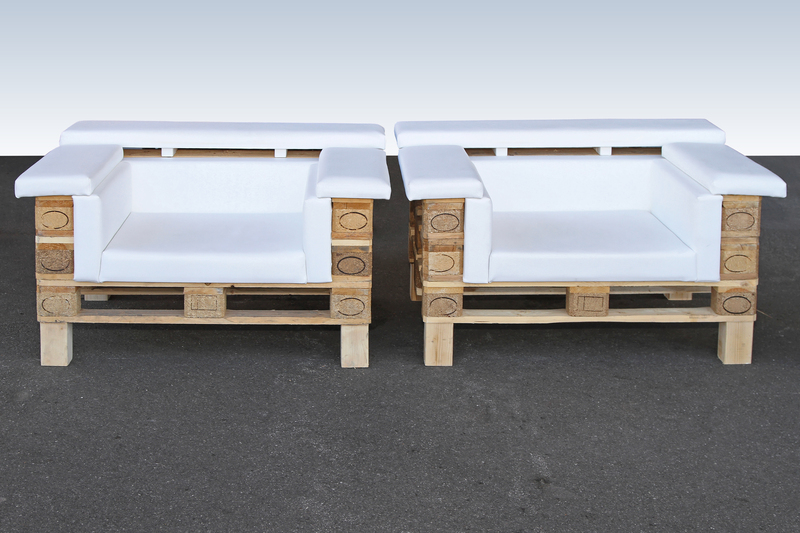
- Transform old wooden pallets into garden planters or shelves
- Turn a tired mattress into a daybed or outdoor bench
3. Sell or Give Away Bulky Items
One person's trash is another's treasure. List items on:
- Facebook Marketplace
- Gumtree
- eBay
- Nextdoor
- Freecycle or Freegle
4. Donate to Charity Shops or Community Groups
Many charities will collect usable bulky waste items, especially furniture and appliances in good condition. Some examples:
- British Heart Foundation
- Emmaus
- Furniture Reuse Network
5. Hire a Man & Van or Private Waste Removal Service -- the Smart Way
While private haulers cost more than council collections, they offer flexibility and speed. For an affordable deal:
- Get multiple quotes and compare reviews
- Share a load with neighbours to split costs
- Ensure the company is licensed (ask for their waste carrier's number to avoid fly-tipping fines)
6. Use Local Household Waste Recycling Centres
Most regions have tips or Household Waste Recycling Centres (HWRCs) where residents can drop off bulky waste for free or for a modest fee.
- Check if you need to book a slot or show proof of residency
- Borrow or rent a van for larger loads - coordinate with friends to fill the vehicle
- Find out which items are accepted and if any materials need to be separated (e.g., wood, metal, electrics)
Creative and Cheap Alternatives for Bulky Waste Disposal
There are also alternative methods for bulky waste disposal on a budget. Consider the following options:
7. Arrange a Community Clear-Out
Join forces with neighbours to organize a community cleanup day. Renting a skip or a van can be split among several households, reducing the cost for everyone. Local authorities may also support community clear-ups with discounted skip hire or additional resources.
8. Break Down Items Yourself
Many large items can be dismantled or flattened to reduce volume and sometimes qualify for regular curbside collection:
- Take apart bed frames and stack wood for wood recycling
- Remove sofa arms and cushions, flatten boxes
- Bundle up garden waste
9. Ask Retailers About Take-Back Schemes
If you're replacing an old appliance or furniture item, ask the retailer if they provide a disposal or take-back scheme for your old item. Many large retailers offer this service at little or no extra cost when delivering the new product.
10. Avoid Fines: Know the Rules for Proper Disposal
Illegal dumping (fly-tipping) is heavily fined. Always use registered waste carriers and keep records or receipts as proof of legal disposal. It's a false economy to use unlicensed services who offer super-low prices.
Frequently Asked Questions About Affordable Bulky Waste Removal
How much does it cost to dispose of bulky household items?
Costs range from free (via upcycling, council services, or recycling centres) up to ?50-?100+ for private removals, depending on volume and location. Comparing multiple options helps you find the cheapest bulky waste disposal method for your needs.
Can I recycle large waste items?
Yes, many bulky items can be recycled or donated, especially wood, metal, large appliances, and furniture. Always separate reusable parts and avoid landfill if possible.
Is it better to use the council or a private removal company?
For budget-friendly bulky waste clearance, council services often cost less. However, private services are faster and more flexible -- ideal if you can split costs with neighbours or have urgent needs.
Quick Reference: Bulky Waste Money-Saving Checklist
- Check local council services first
- Reuse, repurpose or donate whenever possible
- Sell or give away unwanted items online
- Ask retailers about free take-back of old items
- Dismantle larger items for easier (and sometimes free) disposal
- Share disposal costs with neighbours or family
- Use recycling centres for direct, low-cost drop off
- Avoid unlicensed hauliers to prevent fines and environmental harm
Conclusion: Smart Strategies for Bulky Waste on a Budget
Tackling bulky waste items on a budget doesn't have to be stressful or expensive. With the right information and some creative thinking, you can save money, declutter your home, and help the environment.
Key takeaways:
- Always explore local free or low-cost options first
- Consider the value in your "waste" - upcycle, sell or donate where you can
- Split costs with others for larger, communal disposals
- Be aware of your area's regulations and avoid risky shortcuts
Taking the time to plan your affordable bulky waste disposal pays off. Not only can you save money, but you'll also make more sustainable choices and possibly even help your local community.
Start implementing these money-saving tips for bulky waste today -- and enjoy a cleaner home and a fuller wallet!
