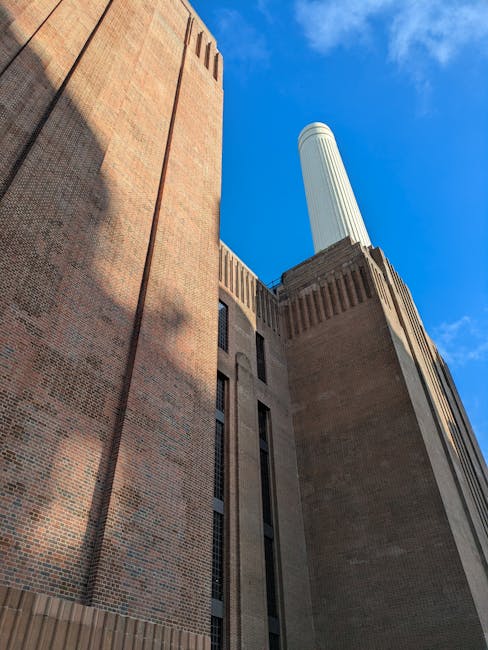
Battersea Power Station builders waste pickup SW8: a practical guide for faster, cleaner site clearance
If you are managing a refurb, a fit-out, or a smaller building job around Battersea Power Station, builders waste pickup SW8 can quickly become one of those jobs that looks simple until the rubble starts stacking up. Bags fill fast. Offcuts appear everywhere. Cardboard, plasterboard, timber, broken tiles, packaging, old fixtures-it all builds pressure on the site, and not in a tidy way either.
This guide explains how builders waste pickup works in the SW8 area, why it matters, what to expect on the day, and how to avoid the common headaches that slow a project down. If you want a smoother clearance process, better site discipline, and fewer last-minute surprises, you are in the right place.
For readers who also need broader clearance support, services like builders waste removal, rubbish removal, and waste clearance can sit alongside the same project plan rather neatly. Truth be told, that bit of joined-up thinking saves time.
Table of Contents
- Why Battersea Power Station builders waste pickup SW8 Matters
- How Battersea Power Station builders waste pickup SW8 Works
- Key Benefits and Practical Advantages
- Who This Is For and When It Makes Sense
- Step-by-Step Guidance
- Expert Tips for Better Results
- Common Mistakes to Avoid
- Tools, Resources and Recommendations
- Law, Compliance, Standards, or Best Practice
- Options, Methods, or Comparison Table
- Case Study or Real-World Example
- Practical Checklist
- Conclusion
- Frequently Asked Questions
Why Battersea Power Station builders waste pickup SW8 Matters
Builders waste is not just "mess". It affects access, safety, productivity, neighbour relations, and sometimes the pace of the whole job. In Battersea Power Station and the surrounding SW8 area, that matters even more because sites can be busy, access can be tight, and shared spaces do not forgive sloppy waste handling. One blocked route and suddenly everyone is waiting. You will know the feeling.
A proper pickup plan keeps the site moving. It also helps you keep materials separated, reduce double-handling, and avoid the awkward moment where waste is piling up beside brand-new finishes. Let's face it, that never looks good to a client.
There is also the practical matter of consistency. A renovation team might produce a few sacks of rubble in the morning, then a load of timber and packaging by the afternoon, then a pile of broken sanitary ware the next day. If pickup is arranged properly, that waste leaves in a controlled, predictable way instead of becoming a hazard.
Expert summary: the best builders waste pickup is the one that feels invisible on site. Waste goes out, work keeps going, and nobody is tripping over dust sheets, broken plasterboard, or overfilled bags at 4:30 p.m.
How Battersea Power Station builders waste pickup SW8 Works
In practical terms, the process is usually straightforward. You identify what waste is being produced, estimate how much space it will take, arrange pickup, and set a safe collection point. Then the load is removed and taken for sorting, reuse, recycling, or disposal depending on the material mix.
The simplest arrangements often work best for mixed building waste from smaller projects. For example, a bathroom refit may generate tiles, adhesive tubs, old fixtures, plasterboard, packaging, and a few bits of timber. A kitchen strip-out might produce heavier bulky waste, cabinets, worktops, and a surprising amount of packaging from the new units. It always feels like more cardboard than logic would allow.
For larger or ongoing works, pickups may be scheduled repeatedly so the site never becomes overloaded. That is particularly useful for trades working in occupied buildings, flats, commercial units, or phased refurbishments where space is at a premium.
It also helps to think in terms of waste streams:
- Heavy inert waste such as rubble, brick, tile, and ceramics
- Light bulky waste such as timber, plasterboard, packaging, and fittings
- Mixed construction waste where materials are bundled together for convenience
- Separate items that may need different handling, such as furniture or old office items
If a project includes non-building items too, you may find related services useful, such as furniture disposal, sofa removal, or office clearance. That is especially handy in fit-outs where construction waste and old contents appear in the same week. Or the same hour. Sometimes both.
Key Benefits and Practical Advantages
The big advantage is obvious: the site stays clear. But there is more to it than that. A disciplined pickup plan tends to improve the entire job from start to finish.
- Safer working conditions: fewer trip hazards, sharper edges, and piles of loose debris
- Better workflow: trades can move materials, tools, and people around more easily
- Cleaner handover: the site looks more professional when clients, landlords, or managers visit
- Less stress: waste does not sit there nagging at the end of the day
- More efficient labour use: teams spend less time dragging rubbish around
- Lower risk of complaints: especially important in a busy local area with shared access and neighbours nearby
There is also a less obvious benefit: better decision-making. When waste is cleared regularly, you can actually see what is left to do. That sounds basic, but it helps. On a cluttered site, progress gets blurry. On a clear site, the next step becomes obvious.
Another practical gain is separation. If you have a pickup plan in place, it is easier to keep recyclable material apart from general mixed waste where appropriate. That supports better sorting downstream and reduces avoidable mess at the source.
Who This Is For and When It Makes Sense
This kind of pickup service suits a wide range of people and projects in and around Battersea Power Station. The common theme is simple: you are producing builders waste faster than your team can comfortably store it.
It makes sense for:
- builders and trades working on domestic refurbishments
- kitchen and bathroom installers
- property managers dealing with end-of-project debris
- landlords preparing a flat between tenancies after works
- small contractors doing phased refits
- business owners refurbishing a shop, office, or studio space
- homeowners who have taken on a renovation and underestimated the volume of waste
A lot of people wait too long. They assume the waste will "sort itself out later". It rarely does. If anything, it multiplies quietly in the corner. One bag becomes six. One stack of offcuts becomes a nuisance. Then the team loses momentum because nobody wants to work around it.
In occupied buildings, the need is even stronger. You may have limited lift access, shared corridors, loading restrictions, or a narrow window for removal. Regular pickups avoid awkward pile-ups and keep neighbours a little happier, which never hurts.
If the job is more than purely building-related, broader clearance services like house clearance, home clearance, or flat clearance can be relevant too. Mixed projects often need a mixed approach.
Step-by-Step Guidance
If you want the pickup to run smoothly, work through the process in order. No drama, no guessing. Just a bit of planning.
- Identify the waste types. Walk the site and separate rubble, timber, packaging, plasterboard, metal, and any bulky items.
- Estimate volume. You do not need a perfect measurement, but you do need a sensible idea of how much is being generated.
- Choose a pickup approach. Decide whether you need a one-off collection or repeated pickups during the job.
- Prepare access. Make sure bags, loose waste, or containers can be reached safely and without blocking key routes.
- Keep hazards out of the pile. Sharps, chemicals, and anything suspect should be dealt with separately and carefully.
- Load waste sensibly. Heavier items go where they can be handled safely; fragile mixed waste should be bundled in a controlled way.
- Schedule at the right time. Early morning often works well, but the right timing depends on your site and neighbours.
- Confirm the final sweep. Once collected, do a quick walk-through. Little bits of debris matter more than people think.
A small tip from experience: keep one person responsible for waste decisions. When everyone assumes someone else is handling it, the site tends to get messy fast. Humans are funny like that.
For some projects, especially where waste builds up alongside other unwanted items, combining pickup with rubbish collection or rubbish clearance may be the cleaner option. It is not always about the single service label; it is about the job being done properly.
Expert Tips for Better Results
Here is where small choices make a big difference. The best pickup jobs usually look almost boring from the outside, because all the effort happened before collection day.
- Use clear bagging for loose waste. It makes handling easier and reduces scatter on site.
- Separate sharp or awkward materials early. Broken tile, metal, and glass need more care than soft waste.
- Stack bulky items logically. Long boards, skirting, and offcuts should be arranged so they do not collapse halfway through handling.
- Leave a clear path to the load point. A beautiful pile in the wrong place is still a problem.
- Plan for weather. London rain has a way of turning cardboard and plasterboard into a sloppy, unhelpful mess.
- Do not overfill bags. Overstuffed sacks slow everything down and can become unsafe.
If your project includes outdoor work, you may also need garden clearance or even garage clearance when a renovation spreads beyond the main building footprint. Strange how the back area becomes a holding pen for everything, isn't it?
One more practical habit: take a quick photo of the waste pile before pickup if you need a record for a client, landlord, or internal job file. It is a tiny step, but useful when you need to show what was removed and when.
Common Mistakes to Avoid
Most waste problems are not dramatic. They are just small oversights repeated a few times.
- Waiting until the end. Waste stacks up, access gets worse, and the final clear-out becomes harder than it needed to be.
- Mixing everything together without thinking. Some materials are better handled separately for practical and compliance reasons.
- Blocking entrances or corridors. That can create safety and access issues quickly, especially in shared buildings.
- Assuming all waste is the same. It is not. Builders waste, bulky household waste, and office junk all behave differently in real life.
- Forgetting bulky non-building items. Old furniture and fittings often end up in the same pile as debris.
- Ignoring final sweep-up. Small screws, dust, and broken fragments are easy to miss, and they are exactly what people notice later.
There is also the classic mistake of underestimating volume. A few rooms stripped out can produce more waste than a whole team expects. It happens all the time. The pile seems manageable until it is not.
Tools, Resources and Recommendations
You do not need a complicated toolkit, but a few basics make builders waste pickup much easier:
- Heavy-duty rubble sacks for smaller loose materials
- Wheelbarrows or sack trucks for moving waste safely through access points
- Gloves and basic PPE for people handling sharp or dirty material
- Labels or simple separation zones so waste types do not get mixed accidentally
- A measuring mindset to estimate waste volumes as the job progresses
From a service perspective, it is often wise to choose a provider that can handle more than one type of clearance if your project is not neat and tidy in a single category. That is common. Very common. A strip-out in a Battersea apartment might involve builders waste, old furniture, packaging, and small bits from storage areas all at once.
Useful related pages include waste removal, waste collection, and waste disposal. Different jobs need different handling, but the goal is the same: get the place back under control.
Law, Compliance, Standards, or Best Practice
For building and refurbishment work in the UK, waste handling should be treated seriously. You do not need to become a legal expert to get this right, but you do need to follow sensible practice. Waste should be stored safely, loaded securely, and passed to an appropriately managed route for sorting or disposal.
If you are a contractor or responsible person on a site, you should also think about the broader duty of care around waste. In plain English, that means you should know what the waste is, keep it under control, and make sure it goes where it is supposed to go. That is especially important for mixed construction debris, bulky items, and anything that could be hazardous or cause contamination.
Best practice usually includes:
- keeping different waste streams separated where practical
- preventing waste from spilling into common areas
- avoiding unsafe stacking or loading
- making sure collections do not create unnecessary obstruction
- using clear communication between trades, clients, and the waste team
If the site is in a shared residential or commercial building, respect for neighbours and building management matters too. Quiet handling, timely pickup, and tidy staging areas can make life much easier for everyone. A little courtesy goes a long way in London blocks. It really does.
Options, Methods, or Comparison Table
There are a few ways to manage builders waste around Battersea Power Station. The right choice depends on volume, access, timing, and how mixed the waste is.
| Method | Best for | Strengths | Limitations |
|---|---|---|---|
| One-off pickup | Short jobs, small refurbishments, single clear-outs | Simple, quick to organise, minimal admin | Less suitable if waste keeps building daily |
| Scheduled repeat collections | Longer projects or phased works | Keeps site clear throughout the job | Needs better planning and timing |
| Mixed rubbish removal | Jobs with builders waste plus bulky unwanted items | Convenient, less sorting pressure on the client | Not always ideal for highly separated waste streams |
| Broader waste clearance | Properties with clutter, contents, and construction debris | Good for complex or multi-room projects | May be more than you need for a very small task |
In many cases, the best choice is the one that keeps the site moving without creating extra admin. Not the fanciest option. Not the cheapest-looking one on paper. Just the one that works. Simple, really.
Case Study or Real-World Example
Imagine a small flat renovation near Battersea Power Station. The works involve removing a dated kitchen, replacing flooring, stripping some old fittings, and clearing leftover packaging from the new install. By day two, the waste is already awkward: timber offcuts, old units, tile waste, cardboard, and bits of metal trim. The hallway is starting to look like a storage cupboard that has lost the plot.
The team sets one corner as the collection point, keeps heavier debris separate from lighter waste, and arranges a pickup before the pile becomes a safety issue. Because the waste is removed mid-project, the trades can keep working without shuffling bags around every time they need access to a wall or doorway.
What changes? The site feels calmer. The client visits and sees progress rather than chaos. The installers stop wasting time moving rubbish. Even the final clean-up is easier because there is less loose material sitting around in the first place.
That is the real value of good builders waste pickup SW8. It is not glamorous, but it protects the rhythm of the job.
Practical Checklist
Use this checklist before collection day:
- Have I identified all waste types on site?
- Are any sharp, awkward, or potentially hazardous items separated?
- Is the collection point easy to reach safely?
- Are bags or stacks kept below a sensible weight and size?
- Have I cleared the route from the site to the pickup point?
- Do I know whether this is a one-off or repeat pickup?
- Have I included bulky non-building items if needed?
- Will the pickup avoid peak access problems or neighbour disruption?
- Has someone been assigned to oversee waste handling?
- Have I done a final sweep for loose debris after collection?
If you can tick those off, you are already ahead of most rushed jobs.
Conclusion
Battersea Power Station builders waste pickup SW8 is really about control. Control of space, timing, safety, and presentation. When waste is handled well, the job feels smoother, the team works better, and the site looks more professional from start to finish.
Whether you are a contractor, landlord, homeowner, or site manager, the key is the same: plan the waste early, keep it organised, and choose a pickup approach that suits the project rather than forcing the project to suit the waste. That small shift in thinking makes a big difference.
If your project has mixed waste, bulky items, or more than a basic clear-out, it is worth looking at the wider options for rubbish removal and waste removal so nothing gets left behind by accident.
Get a free quote today and see how much you can save.
And if you are in the middle of a job right now, take a breath, clear one corner, and deal with the waste before it starts making decisions for you.
Frequently Asked Questions
What counts as builders waste in Battersea Power Station SW8?
Builders waste usually includes rubble, brick, tile, plasterboard, timber offcuts, packaging, old fixtures, and general debris from renovation or construction work. If it comes from the build, it probably belongs in the waste plan.
How quickly can builders waste be picked up?
That depends on the job size, access, and how much waste is ready to go. Smaller loads can often be arranged quickly, while larger or repeated pickups usually need a little more coordination.
Do I need to sort builders waste before collection?
Not always in a perfect, painstaking way, but some separation helps. Keeping heavy rubble apart from lighter mixed debris makes handling easier and can improve the efficiency of the pickup.
Can builders waste pickup handle a mix of items?
Yes, often it can. Mixed loads are common on real projects, especially where a refurbishment also includes old furniture, fixtures, or office items. The key is to be clear about what is there.
Is this service suitable for flat renovations?
Very much so. Flat refurbishments often have limited access and tight storage space, which makes regular waste pickup especially useful. It helps keep communal areas clear and avoids overloading the site.
What is the difference between builders waste removal and rubbish clearance?
Builders waste removal is focused on construction and renovation debris, while rubbish clearance is broader and can cover general unwanted items too. In practice, many projects benefit from both depending on what is being cleared.
How do I know if I need a one-off or repeat pickup?
If waste is likely to build up quickly or the job runs for more than a short period, repeat pickups are usually easier. One-off pickup suits smaller, contained works where debris is generated in one clear phase.
Can bulky items be taken at the same time as builders waste?
Often yes, especially if the project includes old furniture, fittings, or household contents alongside renovation debris. Services such as furniture disposal or flat clearance may be relevant when the load is mixed.
What should I do before the collection team arrives?
Make sure access is clear, waste is staged safely, and any awkward or hazardous items are separated. A quick final sweep helps too. Tiny screws and splinters love to hide, annoyingly.
Is builders waste pickup useful for commercial refurbishments?
Yes. Shop refits, office upgrades, and business premises clear-outs often create a steady stream of waste that is best removed in a planned way. If the job affects a workplace, business waste support can be especially helpful.
What if I also need outdoor or storage-area clearance?
Then it may make sense to combine your pickup with related services such as garden clearance, garage clearance, or home clearance. That way, the job is handled as one organised project rather than several small problems.
Why is early waste removal better than waiting until the end?
Because waste gets in the way. It slows down trades, crowds access routes, and makes the final clean-up harder. Early removal keeps the work moving and usually reduces stress for everyone involved.